
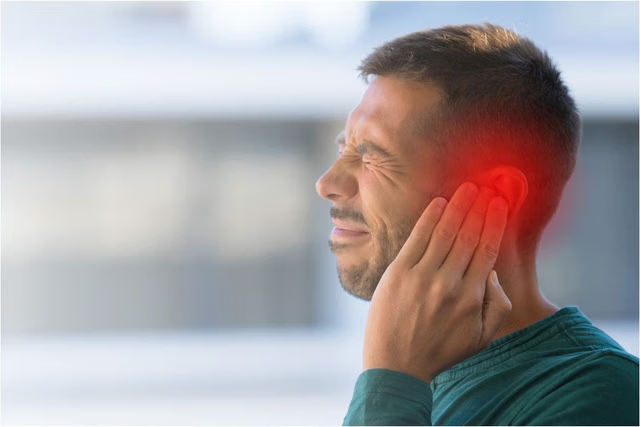
Jaw pain is often ignored or mistaken for stress. But when it involves the jaw joint, early evaluation can prevent lasting damage. This blog explains the difference between TMJ pain and normal jaw pain — and why getting checked matters.
When Jaw Pain Becomes Part of Daily Life
TMJ vs jaw pain is a common confusion among people living with jaw discomfort in daily life. Many patients from Gundlapochampalli and Kompally areas visit clinics after months of suffering. The pain usually starts small — a dull ache near the ear.
Most people ignore it. They believe it is stress, long working hours, or sleep posture. So they continue their daily routines with discomfort. Slowly, chewing becomes painful. Yawning feels difficult. Clicking sounds appear near the ear joint. Headaches begin without a clear reason.
Yet, consultation is delayed — and the joint continues to suffer silently.
How Ignoring TMJ Pain Affects Daily Comfort
Jaw pain does not remain stable. It slowly spreads and worsens. When TMJ problems remain untreated, the jaw joint stays under constant strain. Muscles overwork. Joint movement reduces.
Difficulty eating comfortably
Pain while speaking for long periods
Disturbed sleep patterns
Reduced concentration at work
Pain spreading to neck and shoulders
⚠️ What started as mild discomfort becomes a daily struggle. Some feel ear pain without any infection — a classic sign that the jaw joint, not the ear, needs attention.
TMJ Pain vs Normal Jaw Pain
Understanding the difference between TMJ pain and general jaw pain is important to seek the right care at the right time.
- • Temporary muscle soreness
- • Often related to stress or fatigue
- • Improves with rest
- • No joint sounds
- ⚠️ Pain near the ear joint
- ⚠️ Clicking or popping sounds
- ⚠️ Difficulty opening the mouth
- ⚠️ Headaches or ear pain
- ⚠️ Pain lasting for weeks
When TMJ Evaluation Is Needed
You are not overthinking the pain. Your jaw needs professional attention when these signs appear:
- ✓Pain lasts more than two weeks
- ✓Clicking or popping sounds continue near the jaw joint
- ✓Mouth opening feels restricted or uncomfortable
- ✓Headaches repeat frequently without a clear cause
- ✓Ear pain exists but there is no ear infection
🦷 These signs often indicate TMJ involvement. Early evaluation helps prevent joint damage. The sooner it is assessed, the easier it is to treat.
Understanding TMJ Evaluation Without Fear
TMJ evaluation is simple and non-invasive. It focuses on understanding how your jaw functions — not on rushing into treatment.
During evaluation, the dentist assesses jaw joint movement, bite alignment, muscle tension, and stress-related clenching habits. In most cases, treatment is non-surgical. Conservative methods provide relief gradually.
Dr Vishwas Uckoo
Prosthodontist — Ivory Dental Studio, Kompally
Dr Vishwas Uckoo focuses on jaw function, bite balance, and long-term oral comfort. Each case is examined step by step — no assumptions are made. Patients receive a clear diagnosis, conservative treatment planning, and honest guidance.
📍 Serving patients from Kompally & Gundlapochampalli
Trust Signals That Matter
Case Study: Jaw Pain That Was Not "Just Stress"
A 35-year-old IT professional from Kompally visited Ivory Dental Studio with persistent jaw pain and frequent headaches. For six months, the patient believed stress was the cause. Pain increased while chewing and yawning. Clicking sounds developed near the ear joint.
TMJ evaluation by Dr Vishwas Uckoo revealed night-time teeth clenching. Jaw muscles were under constant strain. Joint movement had started reducing.
A conservative treatment plan was advised — including jaw relaxation guidance, habit correction, and bite support. Within a few weeks, pain reduced significantly. Headaches became rare. Daily comfort improved. Early evaluation prevented joint damage.
TMJ vs Jaw Pain — FAQs
TMJ pain comes from the temporomandibular joint located near the ear. It can cause clicking sounds, difficulty opening the mouth, headaches, and ear pain that persists for weeks.
No. Jaw pain can also come from muscles, stress, fatigue, or dental issues. TMJ-related pain specifically involves the jaw joint and often includes clicking sounds, restricted mouth opening, and headaches.
Yes. TMJ disorders can cause frequent headaches because the jaw muscles and joints are connected to surrounding structures. When the joint is under strain, it can trigger recurring headaches and even neck or shoulder pain.
In most cases, no. TMJ treatment is non-surgical. Conservative methods such as jaw relaxation guidance, bite support, and habit correction provide effective relief for most patients.
TMJ should be evaluated when jaw pain lasts more than two weeks, clicking sounds continue, mouth opening feels restricted, headaches repeat frequently, or ear pain exists without any infection.
Conclusion
TMJ vs jaw pain confusion delays treatment. Jaw pain is not always harmless — ignoring it can damage joint health. Early TMJ evaluation protects comfort and function.
If jaw pain affects your daily comfort, evaluation helps. A professional TMJ check brings clarity. Understanding the problem is the first step toward relief.