
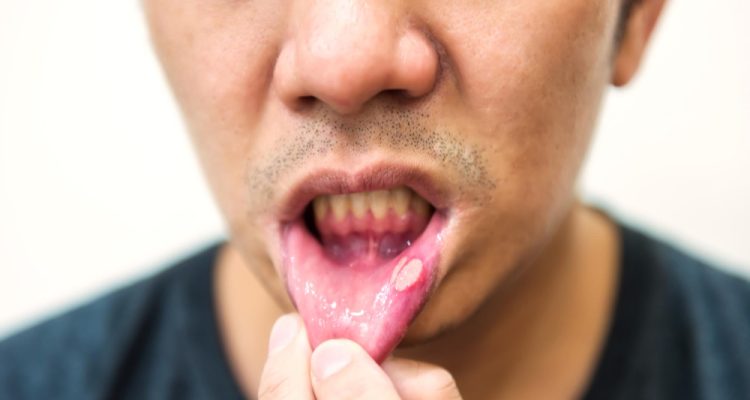
Mouth ulcers are common, but sometimes they do not heal as expected. Persistent mouth ulcers, also called non-healing mouth sores, can be a sign of something serious. If you notice a mouth ulcer that lasts more than two weeks, it is important not to ignore it. Early attention can help prevent complications. In this blog, you will learn about mouth ulcers that don’t heal, their causes, warning signs, and when to see a dentist for mouth ulcers.
Mouth ulcers are small, painful sores that appear inside the mouth. Usually, they are round or oval with a white or yellow center and a red border. Most mouth ulcers heal within one to two weeks. However, persistent mouth ulcers last longer and may need special care. Unlike cold sores, which appear on the lips and are caused by a virus, mouth ulcers develop inside the mouth and are not contagious
Persistent mouth ulcers can cause discomfort and may show certain signs. For example, you may notice:
There are several reasons why a mouth ulcer may not heal. Sometimes, more than one factor is involved. Here are some common causes:
According to the World Health Organization (WHO), persistent mouth ulcers should always be checked by a healthcare professional.
While most mouth ulcers are harmless, some warning signs mean you should see a dentist right away. For instance, pay attention if you notice: An ulcer that lasts longer than two weeks Increasing pain or discomfort Bleeding from the sore Changes in the color, size, or shape of the ulcer Unexplained lumps or thick patches in the mouth Difficulty moving your jaw or tongue Unintentional weight loss or persistent fever These signs may point to a more serious problem, such as an infection or, in rare cases, oral cancer. Therefore, do not delay seeking help.
When you visit a dentist for a non-healing mouth ulcer, they will start with a detailed oral examination. First, they will look at the size, shape, and location of the ulcer. Next, they may ask about your medical history and any recent injuries or illnesses. Sometimes, the dentist may gently press around the sore to check for pain or swelling. If needed, they might order blood tests to check for infections or nutritional problems. In some cases, a small tissue sample (biopsy) may be taken to rule out serious conditions like oral cancer. This helps ensure you get the right treatment.
Treatment depends on the cause of the ulcer. Often, dentists use a combination of approaches. For example: Topical gels or ointments to reduce pain and speed healing Antibacterial or antifungal mouth rinses if an infection is present Vitamin or mineral supplements for nutritional deficiencies Adjusting dental appliances or repairing sharp teeth Changing medications if they are causing the ulcers Treating underlying health conditions, such as diabetes If a serious condition is found, your dentist may refer you to a specialist for further care.
Good oral hygiene and healthy habits can help prevent mouth ulcers. Consider these tips:
By following these steps, you can lower your risk of developing persistent mouth ulcers.
Ignoring a mouth ulcer that does not heal can lead to complications. For example, untreated ulcers may become infected or cause severe pain. In rare cases, persistent mouth ulcers may be an early sign of oral cancer. Early diagnosis and treatment can help prevent serious problems.
Mouth ulcers that don’t heal should never be ignored. If you have a mouth ulcer that lasts more than two weeks, or if you notice any warning signs, consult Dr. Vishwas Uckoo for personalized advice. Early care can make a big difference in your health and peace of mind.
Consult Vishwas Uckoo, a dental specialist to find the best removable partial denture option for your needs.
Website security powered by MilesWeb